Roof Repairs in Succasunna NJ That Help Extend Roof Life

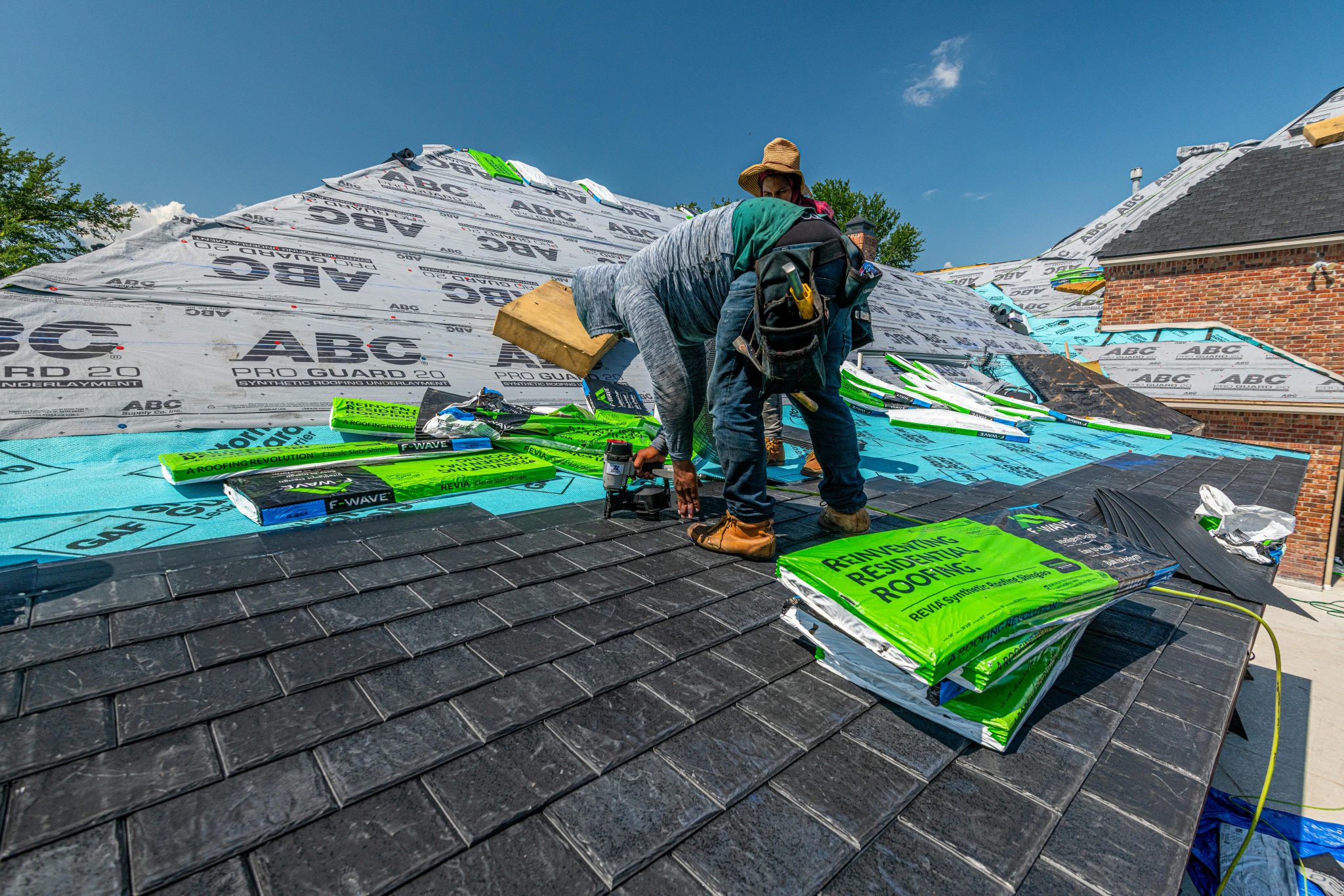
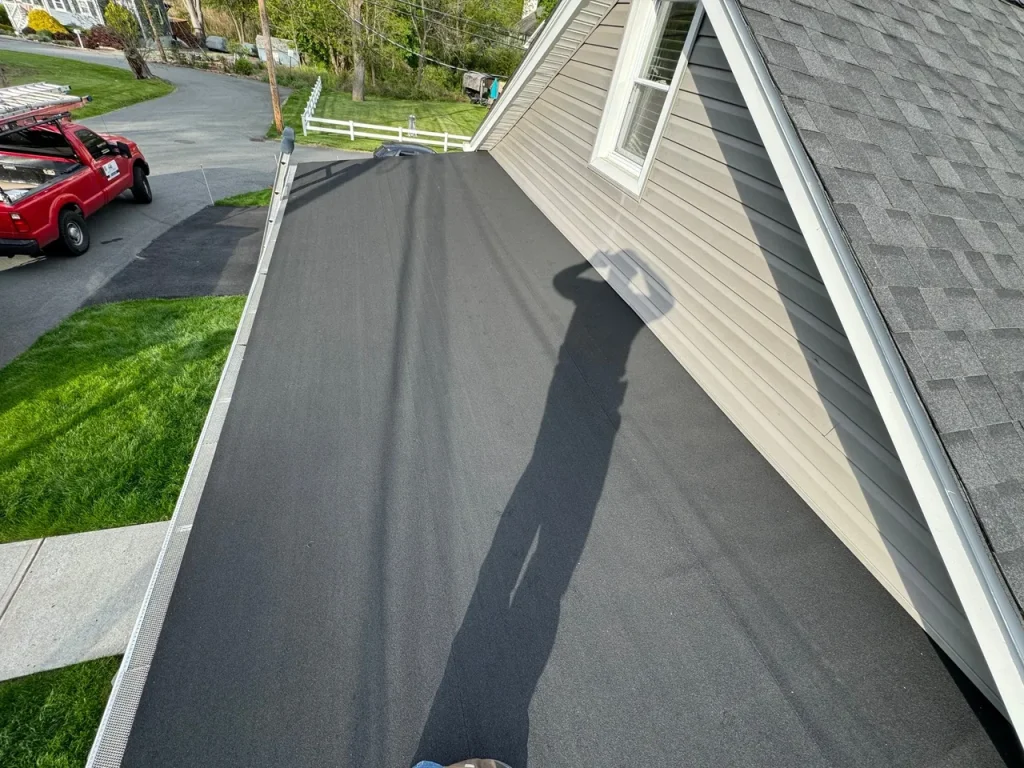
A roof rarely fails all at once. Most roofs in Succasunna start talking long before they quit. A lifted shingle after a winter wind. A damp stain that appears near a chimney after heavy rain. Granules collecting in a gutter bend. The homeowners who get the most years from their roof are usually the ones who pay attention early, when the fix is still local and the structure beneath it is still dry.
That matters in Succasunna because roofs here take a real beating over the course of a year. Summer sun bakes shingles and dries out sealants. Fall leaves hold moisture in valleys and gutters. Winter brings freeze and thaw cycles that can widen small cracks and stress flashing. Spring storms test every seam. A roof that might coast along in a milder climate can age faster when it is asked to handle all four seasons at full strength.
Good roof repairs are not just about stopping an active leak. Done properly, they slow down the wear pattern that shortens the roof’s service life. They keep water out of the decking, prevent insulation from getting soaked, reduce the chance of mold in the attic, and preserve the roof system around the original problem. That is the difference between a repair that buys a month and a repair that helps buy years.
What shortens roof life in Succasunna
Most roofing materials are durable, but they are not invincible. In northern New Jersey, one of the biggest enemies is water that gets where it should not. Water intrusion usually begins at a detail, not in the middle of a field of shingles. Flashing around chimneys, pipe penetrations, skylights, and wall intersections often gives trouble before the shingles themselves are ready to fail. Valleys are another common weak point because they carry a concentrated volume of water during storms.
Ventilation also plays a bigger role than many homeowners realize. When an attic traps heat in summer, the underside of the roof can get extremely hot, which accelerates shingle aging. In winter, poor ventilation can contribute to uneven roof temperatures, which can make snow melt and refreeze along the eaves. That process can help create ice dams, and ice dams have a way of turning a minor detail problem into interior water damage.
Then there is deferred maintenance. A small repair skipped in one season tends to return as a larger repair later. A cracked pipe boot may only wet a small patch of sheathing at first. Left alone, it can rot the wood around fasteners, soften insulation, stain ceilings, and create a repair scope that involves both the roof and the interior.
When people search for Roof Repairs Succasunna NJ, what they often need is not a dramatic emergency fix. They need someone to catch the ordinary failures early and correct them with materials and methods that match the roof’s age, slope, and condition.
The repairs that usually add the most usable life
Not every repair carries the same value. Some are cosmetic. Some are temporary. Others directly protect the parts of the roof system that matter most. In my experience, the repairs below tend to do the most to extend service life when they are done thoroughly and at the right time.
- Replacing damaged or missing shingles before exposed underlayment or decking starts taking water
- Reworking flashing at chimneys, dormers, walls, and skylights where leaks often begin
- Repairing pipe boots and vent collars that have cracked, split, or pulled away
- Correcting valley wear, including failed sealant, exposed fasteners, or localized shingle breakdown
- Addressing gutter and drainage problems that let water back up at the eaves or spill against fascia
The reason these repairs matter is simple. They target transition points, and transition points are where roofs are most vulnerable. A roof field can look decent from the ground, but if the metal around a chimney has failed, the roof is already under attack.
Take chimney flashing as an example. I have seen roofs with plenty of shingle life left, but the counterflashing was loose, the step flashing was poorly integrated, or old sealant was doing all the work. Water followed the brick, slipped behind the metal, and showed up in the attic. A proper repair in that case is not a heavy bead of caulk smeared over the joint. It is removing what needs to come off, inspecting the substrate, reinstalling flashing correctly, and making sure the chimney detail sheds water by design rather than by luck.
Pipe boots are similar. Rubber collars around vent pipes do not last forever. Sun exposure and temperature swings eventually make them brittle. Once they crack, water has a direct path inside. Replacing a pipe boot at the right time is a small repair compared with replacing rotted sheathing around that same vent two years later.
Why a “small leak” is usually bigger than it looks
Roof leaks are deceptive. The stain on a bedroom ceiling is often the end of the story, not the beginning. Water can travel along rafters, drip off nails, and run behind insulation before it becomes visible indoors. By the time a homeowner notices discoloration, the roof may already have a wet deck, compressed insulation, and damaged fasteners.
This is one reason fast patch jobs often disappoint people. They address the place where the symptom showed up, not the place where the water got in. Real Roof Repairs require tracing the leak path back uphill, checking adjacent flashings, examining nail patterns, and looking at the attic if access allows. Sometimes the obvious suspect is correct. Sometimes the problem is two feet away at a wall flashing or on the uphill side of a vent.
It is also why timing matters. If a repair is done while the decking is still sound, the work tends to stay limited and cost effective. Once plywood delaminates or boards begin to rot, the repair moves from surface work to structural replacement. That can still be handled, but it is a different scope and usually a more expensive one.
Asphalt shingle repairs that actually hold up
Most homes in Succasunna have asphalt shingle roofs, and repairs on these systems should respect how the roof was built. That means matching shingle type as closely as possible, following the manufacturer’s intended fastening approach, and preserving the water-shedding sequence. Slipping a shingle in place without addressing broken adhesive bonds, high nails, or damaged underlayment often looks finished from the yard but leaves a weak spot.
Wind damage deserves careful treatment. A shingle that has creased from lifting may not reseal reliably, even if it can be pressed back down for the moment. In some cases, replacement is the better long-term move. The same goes for shingles that have lost a significant amount of granules in a localized area. Granule loss exposes https://troyqoym037.timeforchangecounselling.com/understanding-repair-vs-replacement-in-roof-repairs-succasunna-nj asphalt to UV light, and once that wear accelerates, the material becomes more brittle.
Nail pops are another common issue. They happen for several reasons, including wood movement, poor fastening, and aging materials. A popped nail can create a tiny hump in the shingle above it, opening a path for water and making that area more vulnerable to wind. A proper repair usually means removing or resetting the fastener, replacing any compromised shingle material, and checking nearby nails for the same condition. Just tapping a popped nail back in rarely solves the root problem.
Matching old shingles is not always possible, especially on roofs that have weathered for many years. A good roofer should be honest about that. Sometimes a repair will remain visible from certain angles. That is not necessarily a sign of poor workmanship. In fact, I would rather see a slightly visible but properly integrated repair than an invisible shortcut that fails the next season.
Flashing work is where craftsmanship shows
If shingles are the skin of the roof, flashing is the joint work. And joint work is where experience shows up. Flashing needs to move water away from seams, changes in plane, and penetrations. When it is installed properly, most people never think about it. When it is installed poorly, the roof starts making trouble in exactly those places.
Chimneys deserve special attention because they combine masonry, metal, roof covering, and often age-related movement. Mortar joints can crack. Brick can absorb and release moisture. Metal can expand and contract. A repair that depends entirely on sealant at that connection is living on borrowed time. Step flashing should be woven properly with the shingles, and counterflashing should protect the top edge so water cannot get behind it.
Skylights create similar challenges. The unit itself may still be sound while the surrounding flashing system has worn out or was installed incorrectly. Homeowners are often told the skylight must be replaced, when in some cases the better answer is to rebuild the flashing and surrounding shingles. Other times, the skylight is old enough that repairing around it buys only a short reprieve. That is where judgment matters. A repair should make sense in the context of the age and condition of the full assembly.
Wall intersections are another place where a lot of roofs quietly fail. Where a lower roof runs into siding, water can back up, especially if debris collects there. Step flashing can corrode, siding can trap moisture, and older repairs can bury defects under layers of mastic. A careful repair there can stop a chronic leak that has puzzled a homeowner through several storm seasons.
Ventilation repairs can protect the roof from the inside out
Homeowners usually call about leaks, not airflow, yet attic ventilation has a direct effect on roof life. When intake or exhaust is blocked, attic temperatures rise. That extra heat cooks shingles from below and can shorten their useful life. In winter, poor airflow can contribute to moisture buildup and uneven roof surface temperatures, which is one ingredient in ice dam problems.
Ventilation work is not always dramatic. Sometimes it involves clearing blocked soffit vents, correcting baffle placement in the attic, or replacing damaged roof vents. Sometimes a bathroom fan has been venting into the attic instead of outdoors, adding warm moist air to a space that was never meant to handle it. That kind of issue can mimic a roof leak because it causes staining, dampness, and even mold growth near the roof deck.
A repair contractor who understands roof systems should be willing to say, “The shingles are not your main problem here.” That honesty can save a homeowner from spending money in the wrong place.
Gutters, drainage, and the roof edge
Roof edges age faster when water cannot leave cleanly. Gutters clogged with leaves or shingle granules let water overflow onto fascia and soffits. In freezing weather, trapped water can refreeze at the eaves, stressing the edge of the roof and increasing the chance of backup. Overflow near the foundation is another concern, but from a roofing standpoint, the immediate issue is prolonged wetting where the roof terminates.
I have seen many roofs in otherwise fair condition with rotten edge wood simply because the gutters had been neglected for years. The shingles were not the first part to fail. The drainage path was. Repairing the edge often means dealing with fascia, drip edge, underlayment, and sometimes the first course of shingles. It is rarely the most expensive repair on the roof, but it is one of the more important ones if you want to preserve the structure beneath.
This is especially relevant in neighborhoods with mature trees. Succasunna has plenty of them, and they look great until oak leaves and maple seeds pack into valleys and gutter runs. That debris holds moisture longer than many people think. It also creates little dams that slow drainage and force water sideways during downpours.
When repairs make more sense than replacement
Not every aging roof needs to be replaced the moment a leak appears. The better question is whether the roof still has enough overall integrity for a repair to perform well. A ten-year-old roof with localized storm damage is often an easy repair case. A twenty-five-year-old roof with brittle shingles, widespread granule loss, and multiple active leaks is a different story.
There is a middle ground where judgment matters. Sometimes a homeowner plans to sell in a few years and needs a repair that stabilizes the roof, protects the house, and avoids unnecessary replacement cost right now. Sometimes a full replacement is financially possible, but the roof only has one or two failing details, and a thoughtful repair could reasonably extend its life several more seasons. There is nothing wrong with a repair-first strategy when the roof system supports it.
What should raise concern is a pattern of repeated leaks in multiple areas, soft decking underfoot, or repairs that are no longer holding because the surrounding shingles have become too fragile. At that point, each new fix starts acting like a bandage on a failing surface. Good contractors will say so plainly.
Seasonal timing in New Jersey matters more than people think
Roof repairs can be done in many weather conditions, but the season affects how materials behave. Sealants cure differently in cold weather. Shingles are stiffer and more prone to cracking in low temperatures. Snow and ice can hide surface conditions. On the other hand, waiting for perfect weather is not realistic when water is entering the house.
Spring and fall are often ideal for non-emergency repair work because temperatures are moderate and problems that developed in the previous season become easier to spot. After winter, ice-dam damage, lifted flashing, and split boots often reveal themselves. After summer, heat-related sealant failure and UV wear become more obvious.
Emergency repairs in winter sometimes need a two-stage approach. First, stop active water intrusion and make the roof safe. Later, when conditions improve, perform the permanent repair. That is a practical reality, not poor workmanship, as long as the homeowner understands the difference between temporary stabilization and final corrective work.
Habits that help repairs last longer
A repaired roof still needs some attention. The goal is not to fuss over it every week, but to avoid letting simple maintenance problems undermine good repair work.
- Look at the roof from the ground after major storms, especially for lifted shingles or debris piled in valleys
- Clean gutters and downspouts often enough to keep water moving, particularly in fall and after heavy leaf drop
- Check the attic a few times a year for damp insulation, water stains, or musty odors near penetrations
- Trim tree limbs back from the roof to reduce abrasion, debris accumulation, and impact risk
- Schedule an inspection when you notice changes, rather than waiting for an interior stain
None of these steps requires a homeowner to diagnose roofing details. They simply create earlier visibility. That earlier visibility is often what turns a costly repair into a manageable one.
What to expect from a careful roof repair visit
A professional roof repair appointment should involve more than a quick glance and a tube of sealant. On an asphalt shingle roof, a roofer should inspect the surface condition around the problem area, the relevant flashing details, and, when possible, the attic side of the issue. They should note whether the roof has one isolated failure or signs of broader aging. They should also explain whether the repair is expected to be durable or whether it is mainly a short-term measure due to the roof’s condition.
Homeowners should expect some uncertainty when a leak path is complex. Roofing is not always a perfect science from the ground or from a single weather event. A good contractor will tell you what they found, what they repaired, and what nearby conditions may still deserve monitoring. That kind of transparency is useful, especially on older roofs where one visible defect may not be the only weakness.
If decking replacement is needed, even in a small area, it should be discussed clearly. Sound substrate matters. New shingles and flashing over soft or rotted wood may look tidy for a while, but they will not perform the way they should.
Choosing repair work that adds years, not just days
The best Roof Repairs Succasunna NJ homeowners invest in are the ones that restore water control at vulnerable details and preserve the roof system around them. That means resisting the temptation to focus only on the cheapest immediate option. A bargain repair that leaves compromised flashing in place or ignores wet decking often turns expensive later.
A strong repair plan considers three things at once. First, where did the water enter. Second, what surrounding materials were affected. Third, how much life the rest of the roof still has. Those questions lead to better decisions than a simple yes or no on whether a leak exists.
Roofs age one detail at a time. They are also preserved one detail at a time. Replace the cracked boot before it leaks through the deck. Rework the chimney flashing before the stain spreads across the ceiling. Fix the drainage path before water sits at the edge all winter. That is how a roof reaches the far end of its useful life with fewer surprises, fewer emergency calls, and a better chance of avoiding premature replacement.
For homeowners in Succasunna, that practical approach usually pays off. The climate is demanding, but it is not unforgiving if the roof gets timely, well-executed repairs. When the right issues are addressed early, the roof has a much better chance of doing what it was built to do for as long as it reasonably can, keep the house dry, stable, and protected through every season.
Royalty Exteriors
Address: 151 NJ-10 Ste 103A, Succasunna, NJ 07876
Phone number: +19733337234
FAQ About Roof Repairs Succasunna NJ
How much should I pay for roof repairs?
Most homeowners pay an average of $900 to $1,200 for roof repairs, with typical projects ranging from $150 to $3,000+ depending on the severity of the damage.
What are the most common roof repairs?
The most common roof repair is fixing water leaks by replacing damaged, cracked, or missing asphalt shingles and sealing compromised flashing.
Does homeowners insurance pay for roof repairs?
Homeowners insurance pays for roof repairs only if the damage is sudden and accidental, such as from a storm, hail, or a falling tree.